

In front of the dramatic increase in heat waves, the construction sector is undergoing a profound transformation to adapt to the new demands of the climate. Innovative design techniques, advanced materials and architectural solutions reactive promise to not only protect against the extreme heat, but also energy efficiency and urban well-being.
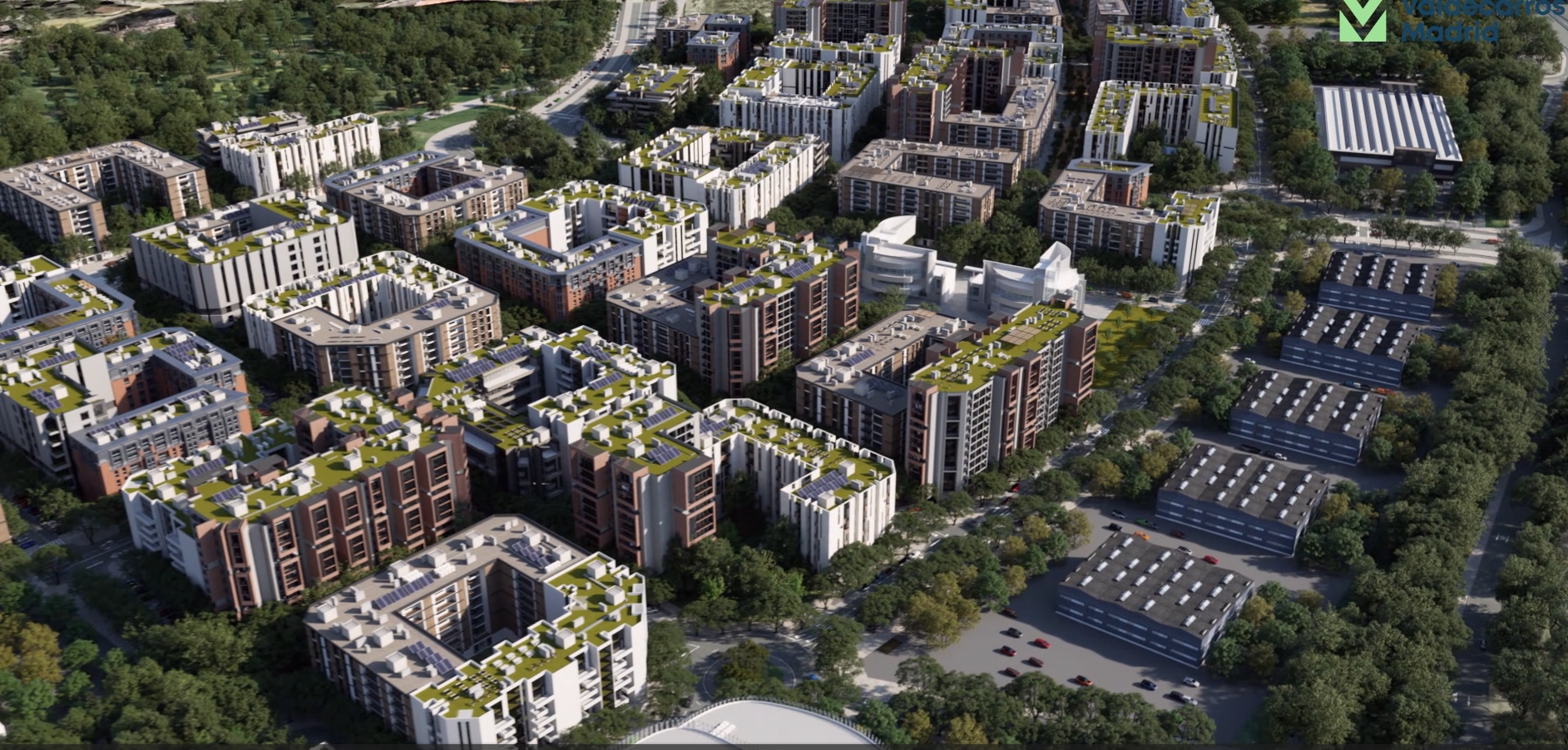
One of the main responses to extreme heat is the architecture, bioclimatic, that uses passive design: strategic orientation, cross ventilation, ventilated facades, green roofs, and insulation materials such as rock wool, cellulose, or cork. It also incorporates reflective material on the decks and pavements to reduce the room temperature by diverting the solar radiation.
Examples of this strategy are the social housing of Esporles (Mallorca), designed entirely with passive solutions that allow for thermal comfort without air conditioning active, and the Delfin Tower Benidorm, which combines facade bioclimatic and solar panels, reducing a 70?% its energy consumption.
Smart materials and cooling radiative
materials science is playing a key role in this transition. Research such as the Cornell University have developed thermal solutions, innovative, as the “wood look”, a material with low absorption solar cooling passively surfaces.
We also highlight the surfaces micropatronadas, able to act as thermal emitters selective: they reflect the heat in summer and retain it in winter, all without the need of additional power.

Urban plans and public infrastructure adaptive
urban strategies are also evolving to mitigate the impact of the heat. In Barcelona, the installation of awnings of textile and pergolas photovoltaic in squares, courtyards, schools and green areas has generated more than 50,000 m2 of shade, covering over 60?% public space exposed. These facilities not only provide thermal comfort immediately, but they also produce renewable energy and encourage the use of outdoor spaces, even in the months more stifling.
Infrastructure with integrated nature
Also arise interventions on mobile as Polinature, a refuge climate laptop with vertical gardens that reduces up to 5?°C the ambient temperature and attracts pollinators in urban areas. Installed in squares or university campus, offers a flexible response and rapid deployment to episodes of extreme heat.
The incorporation of vegetation in facades and roofs has established itself as a key strategy in front of the urban heat. Buildings such as the Bosco Verticale in Milan, or projects in Madrid as ‘The Candle’, demonstrate how the vegetation integrated in the infrastructure can reduce up to 4?°C ambient temperature, regular moisture and, at the same time, improve air quality and biodiversity in urban environments.